

Korea: 2,000 Years of Creativity at the British Museum
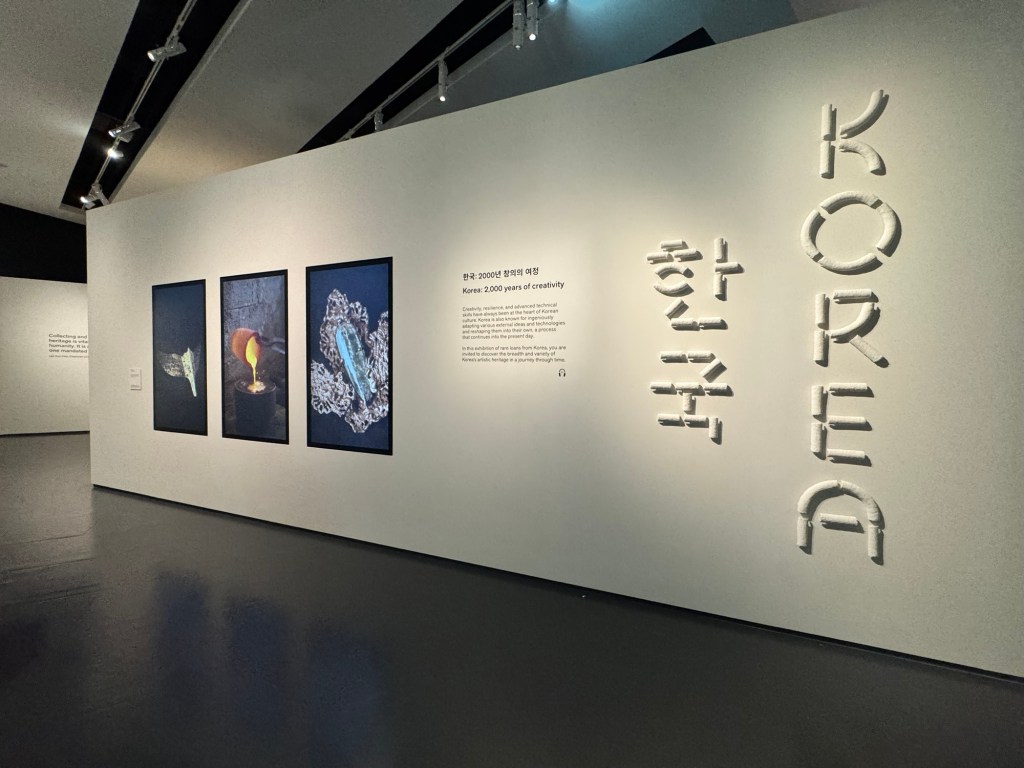
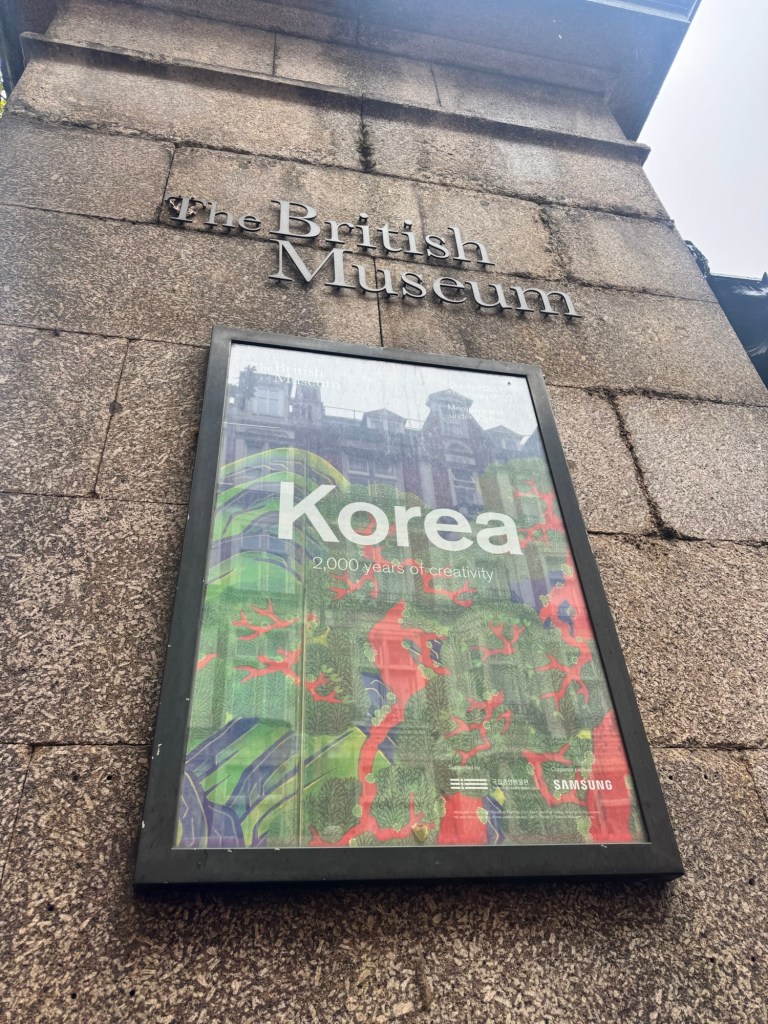
A few weeks ago, I visited Korea: 2,000 Years of Creativity at the British Museum, the museum’s first major exhibition dedicated to Korea in 42 years. It was strange to think that I was still a young child when its previous one, Treasures from Korea, took place in 1984.
I was not quite sure what to expect. Several friends had suggested that, having already visited the National Museum of Korea in Seoul, I would probably have seen much of what was on display at the British Museum.
The exhibition draws extensively upon the private art collection of the late Samsung chairman Lee Kun-hee, who amassed a significant collection of Korean artworks and cultural artefacts during his lifetime, with the aim of preserving Korea’s creativity and artistry.
Following his death in 2020, his family donated more than 23,000 works to Korea’s national museums in 2021. Through a partnership with the National Museum of Korea and Korea’s National Museum of Modern and Contemporary Art, works from the collection are now on display alongside the British Museum’s own.
The exhibition in London follows others in Washington, DC, and Chicago, with each institution developing its own curatorial approach.
In an interview with the Korea JoongAng Daily on 15 October 2026, lead curator Sang-ah Kim explained that, given the absence of a major exhibition of pre-modern Korean art in London since 1984, the curatorial team had decided to take a broad historical approach.
“We sought works of the highest quality that would exemplify the artistic genius and the cultural ethos of each era,” she said.
Visitors can explore the exhibition independently or with the aid of an audio guide ( an additional £4 to the ticketed price) narrated by actress Yerin Ha (notable for her role in the drama series Bridgerton) and actor Lee Byung-hun (notable for his roles in the movies KPop Demon Hunters and RED).
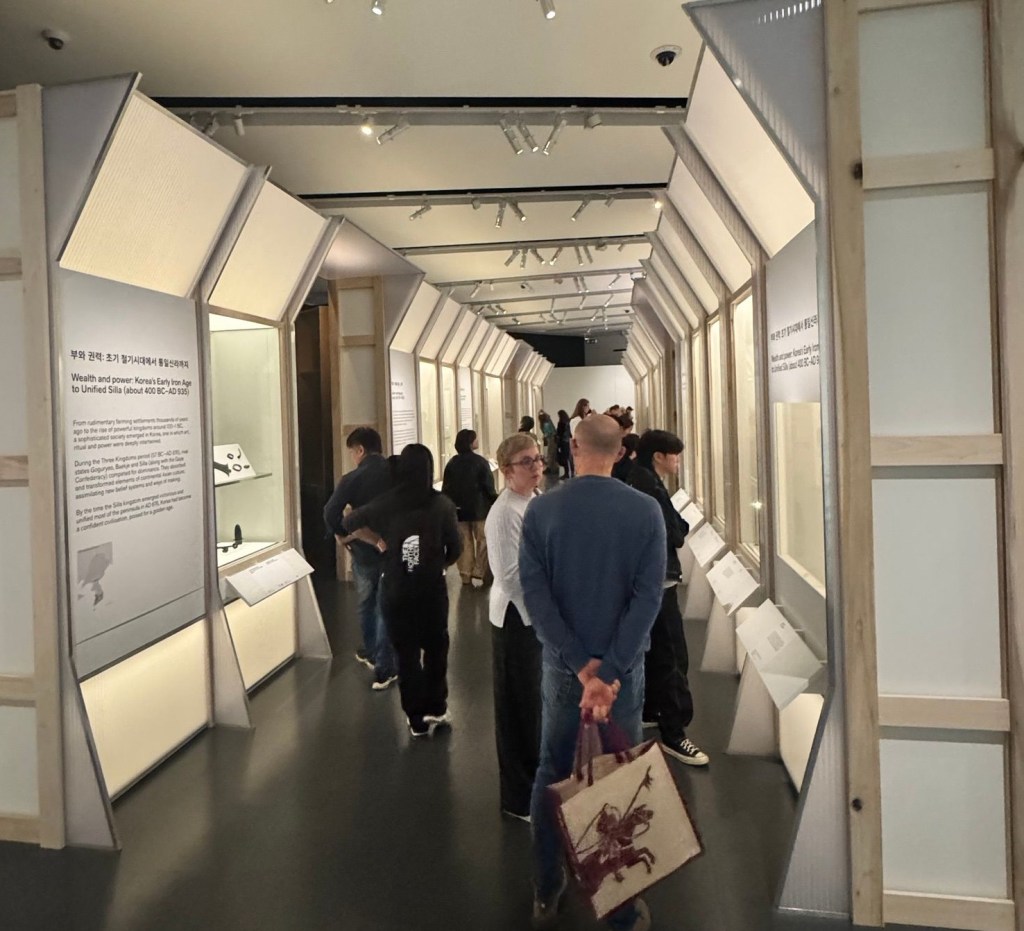
The exhibition is framed around four key periods of Korea’s history: Wealth and Power, covering Korea’s early states to Unified Silla (approximately 400 BCE–935 CE); Wisdom and Beauty, exploring the Goryeo dynasty (918–1392); Learning and Pleasure, focusing on the Joseon dynasty (1392–1910); and Individuality and Community, covering modern and contemporary Korea.
Given the 2,000 years of history covered, I had anticipated a slightly larger exhibition, but felt that it captured the key developments in Korean artistic history. However, I would have welcomed further connections between traditional Korean art and contemporary Korean popular culture, beyond the references to the hugely popular film KPop Demon Hunters, which has been referenced twice in the exhibition, through the tiger and magpie painting and the royal folding screen Sun, Moon and Five Peaks.
The exhibition begins with Korea’s early history before exploring the influence of Buddhism on artistic traditions during the Goryeo dynasty and the role of Neo-Confucianism in shaping the scholarly and artistic culture of the Joseon period. It concludes with the development of modern and contemporary Korean art.
Of the many artworks on display, several stood out to me, both for their illustrative qualities and for what they revealed about the development of Korean art.
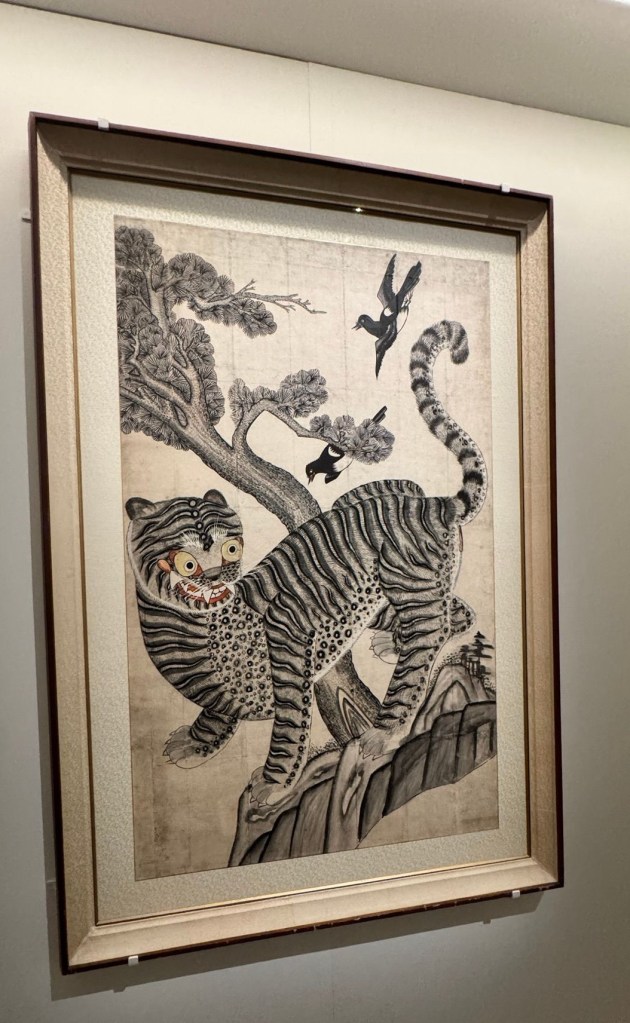
Tiger and Magpie
Whenever I see an image of a Korean tiger, my mind goes to the mythological tale of a tiger and a bear that tells the story of Korea’s legendary origins.
According to legend, a tiger and a bear wishing to become human were set a challenge by Hwanung, the son of the Lord of Heaven. While the tiger gave up, the bear persevered and was transformed into a woman, Ungnyeo (웅녀). She later gave birth to Dangun, the legendary founder of Korea’s first kingdom, Gojoseon, in 2333 BCE. This founding myth is commemorated annually on 3 October, Korea’s National Foundation Day.
Although the tiger did not succeed in becoming human, it remained a prominent figure in Korean folklore and artistic expression.
During the Joseon dynasty, tigers became a popular subject in minhwa (민화), a traditional form of Korean folk painting.
Often depicted alongside a magpie, the tiger has an almost comical appearance, with bulging eyes, exaggerated facial features and bared teeth. This particular genre of painting is known as kkachi horangi (까치호랑이).
Coming from a background in cartoon illustration, I particularly appreciate the humour and playful characterisation in these paintings.
Tigers were traditionally believed to ward off evil spirits and misfortune. In some interpretations of minhwa, the comical depiction of the tiger alongside a magpie also served as a form of social satire, with the tiger representing figures of authority.
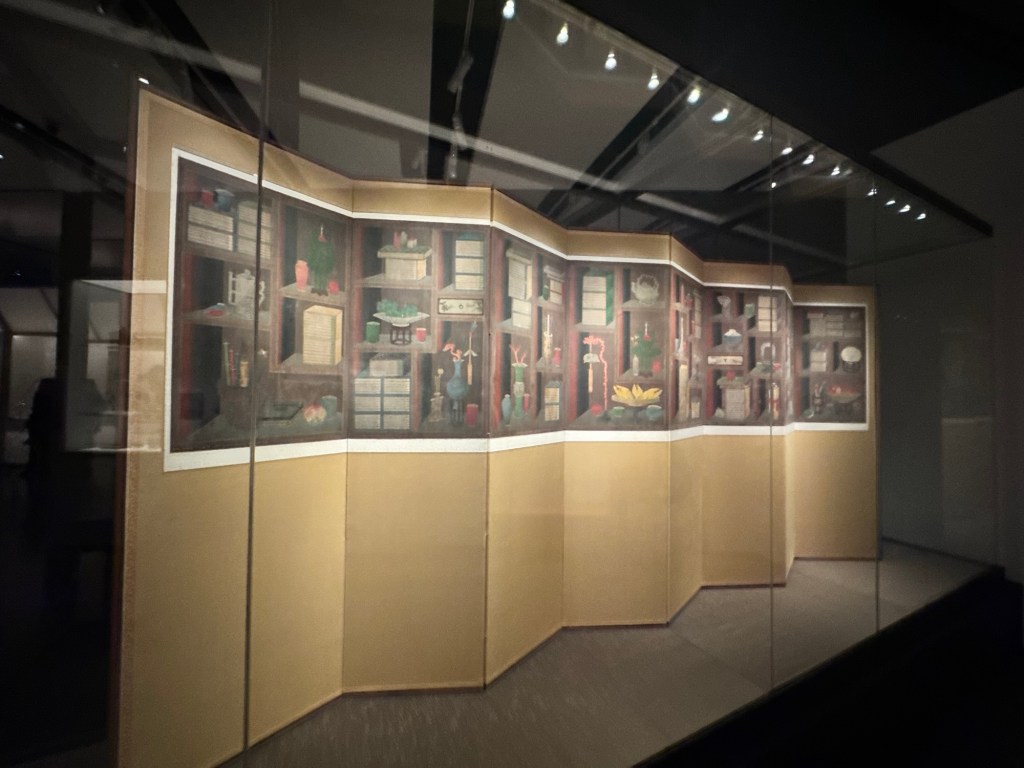
Chaekgado
Walking through the exhibition, I was able to draw parallels with Beyond Joseon Minhwa, the exhibition I had attended in Seoul in April 2025, which placed greater emphasis on traditional Korean paintings and decorative folding screens.
One particular genre of painting that depicts the scholarly culture of the Joseon period is chaekgado (책가도).
These paintings depict bookshelves filled with books, ceramics, writing implements and other decorative objects. Often presented across folding screens, they reflect the importance placed on education, knowledge and scholarship during the Joseon dynasty.
Originally associated with the royal court, chaekgado gradually became popular among wider sections of society, with different interpretations of the genre appearing in Korean folk painting.
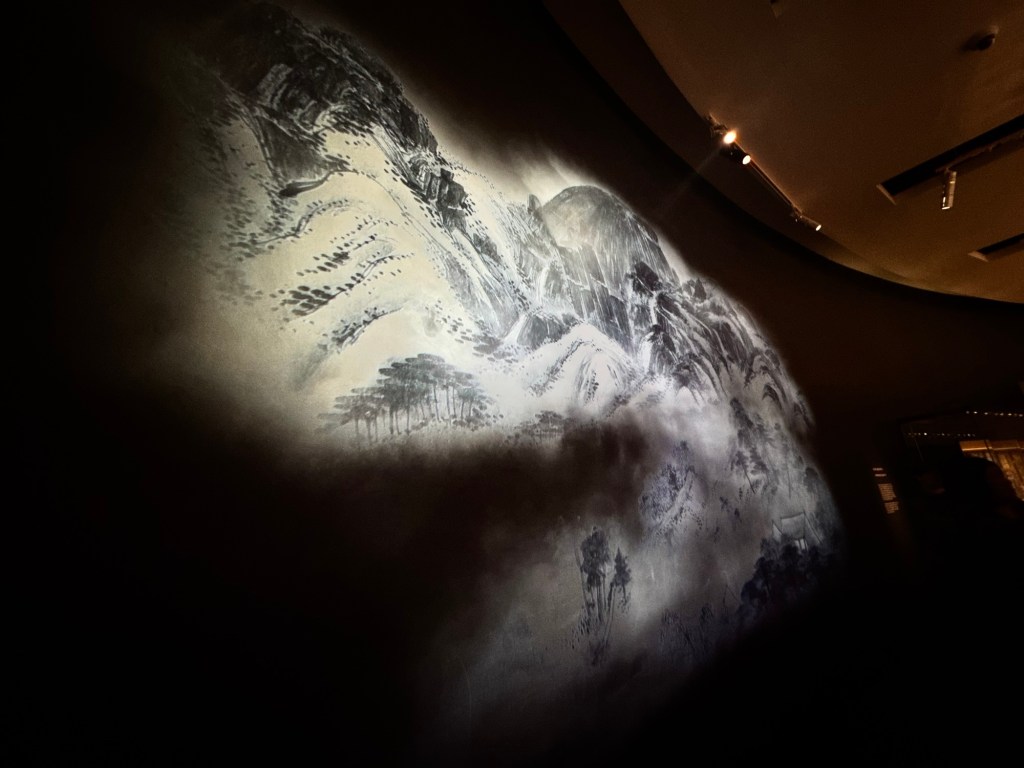
True-view landscape painting
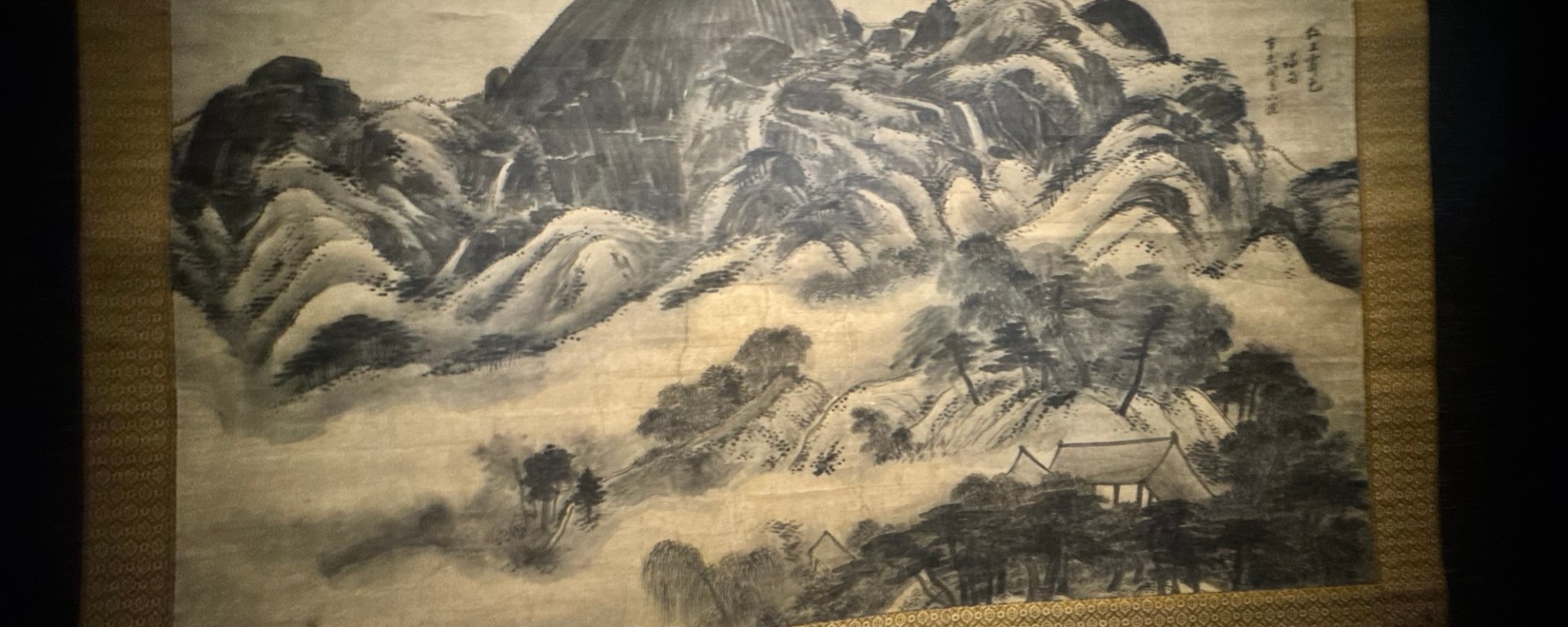
One development I learnt about during this visit was the emergence of true-view landscape painting, known as jingyeong sansuhwa (진경산수화), during the eighteenth century.
Earlier Korean landscape paintings often drew upon established Chinese artistic traditions, depicting idealised or imagined landscapes.
Korean artists increasingly began to depict actual locations within Korea, drawing inspiration from the country’s own mountains, rivers and natural scenery.
One of the leading figures in this development was Jeong Seon (1676–1759), widely regarded as one of Korea’s most important landscape painters.
Among his most celebrated works is Inwang jesaekdo (인왕제색도), or Clearing After Rain on Mount Inwang, painted in 1751. The painting depicts Mount Inwang in Seoul following a downpour, with its dark, rain-soaked rock formations emerging from the surrounding mist.
To create a more immersive experience, the British Museum projected an enlarged, animated version of the painting onto the gallery wall. Accompanied by the sound of birds chirping and animated clouds drifting across the landscape, the installation created a picturesque and atmospheric experience.
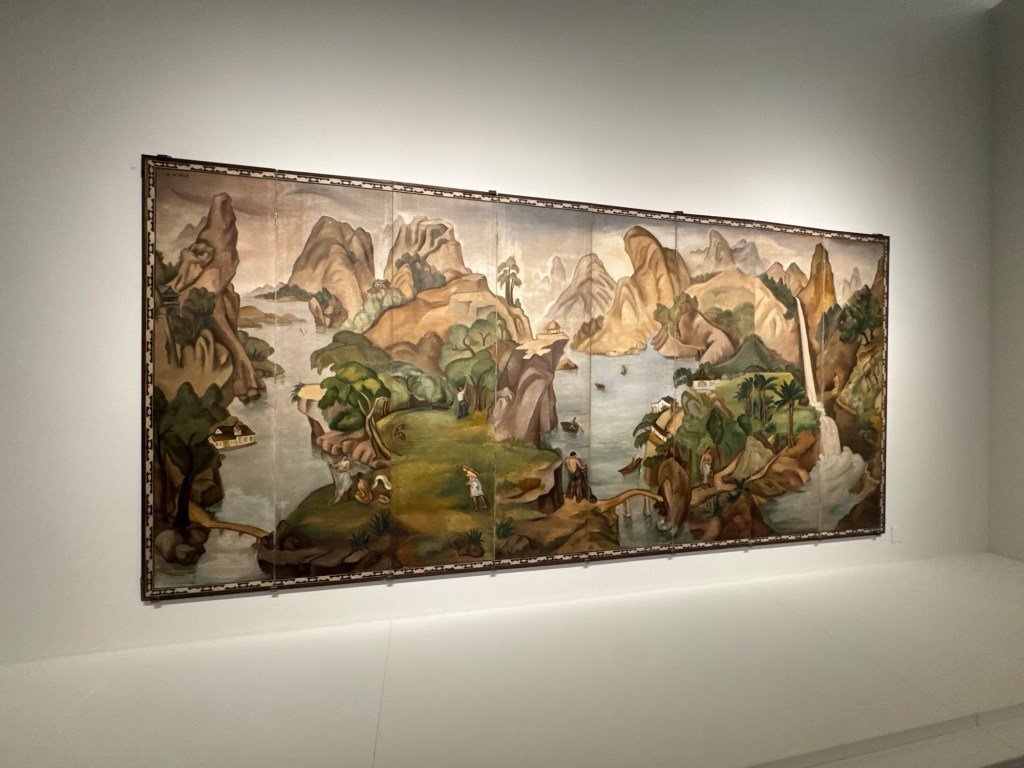
Paradise
One of the other things I learnt from the exhibition was how Korean art evolved during the period of Japanese colonial rule (1910–1945). As Western artistic styles and techniques became more widespread in Korea, artists began exploring new forms of expression while drawing on their own artistic and cultural heritage.
Another highlight for me was Paradise (c. 1936) by Paik Namsoon (1904–1994), a pioneering Korean female artist who studied Western painting in Tokyo before travelling to Paris in 1928.
I was intrigued by the way she brought together traditional Korean imagery and the modern European artistic styles she had encountered abroad. Although painted in oil on canvas, the work takes the form of a traditional Korean eight-panel folding screen. The mountains, waterfalls and pavilions evoke traditional East Asian landscape paintings, while the human figures and use of colour reflect the influence of French Fauvism.
At a time when Korea is increasingly recognised internationally for its contemporary popular culture, the exhibition offers an opportunity to discover the centuries of artistic creativity that preceded it.
With thanks to the British Museum for the complimentary ticket. The exhibition runs until the end of January 2027.

