

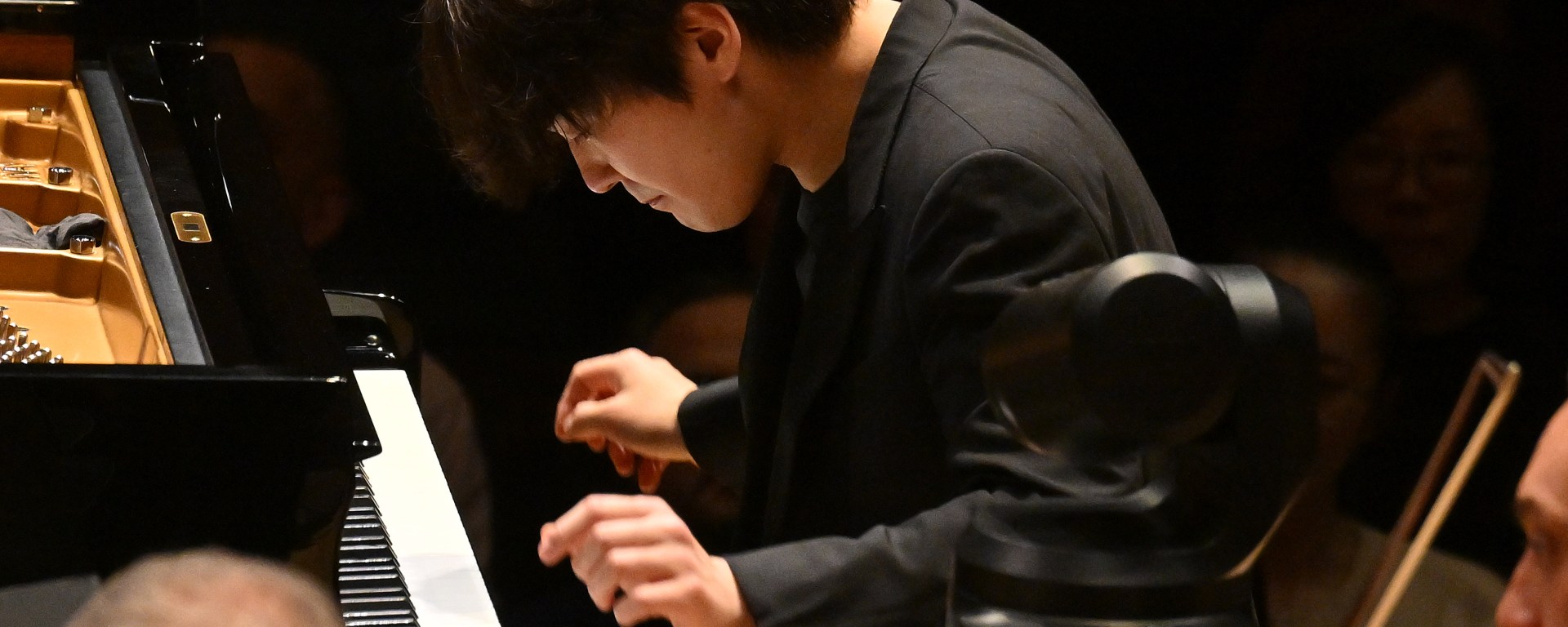
He walks gracefully across the stage to thunderous applause, his expression calm, almost inward-looking. It is the last night of Seong-Jin Cho’s performances with the London Symphony Orchestra (LSO). During the 2025/26 season, he is part of the Artist Portrait series, collaborating with the orchestra on multiple projects, including concerto appearances and the world premiere of a new piano concerto written by Donghoon Shin.
It is Sunday 15 February, and the Barbican Hall, with its 1,943 seats, is packed to the brim. This concert marks Cho’s final performance as part of the LSO’s Artist Portrait series at the Barbican, following three performances that began on Thursday.
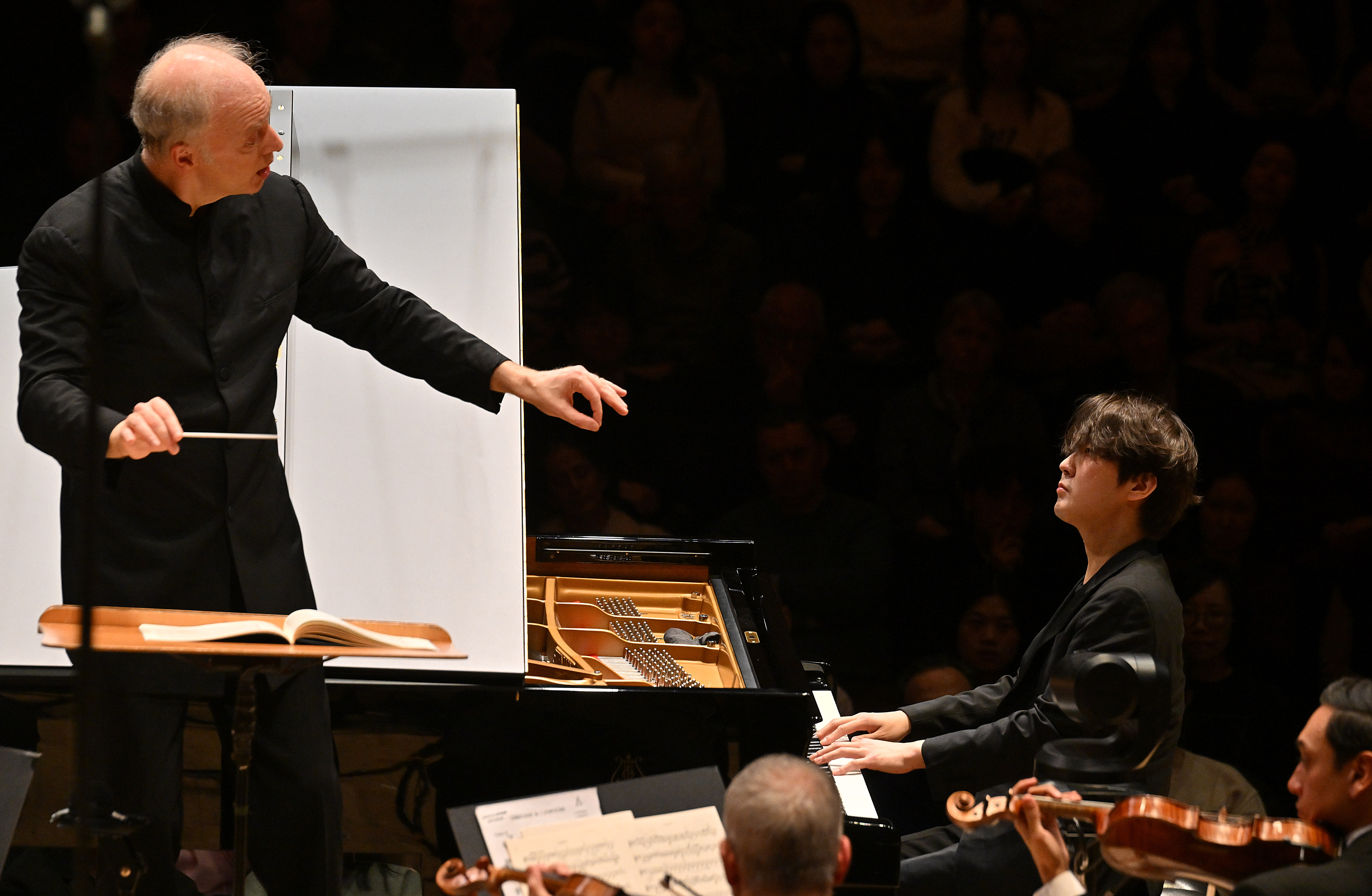
Before the 31-year-old South Korean pianist enters, the audience is treated to a compelling rendition by the LSO under Principal Guest Conductor Gianandrea Noseda of Stravinsky’s The Fairy’s Kiss, a ballet score inspired by Hans Christian Andersen’s story The Ice-Maiden and themes drawn from Tchaikovsky’s piano works. The music unfolds with colourful expression and a twinge of danger. I am captivated, picturing the ballet movements that would accompany it.
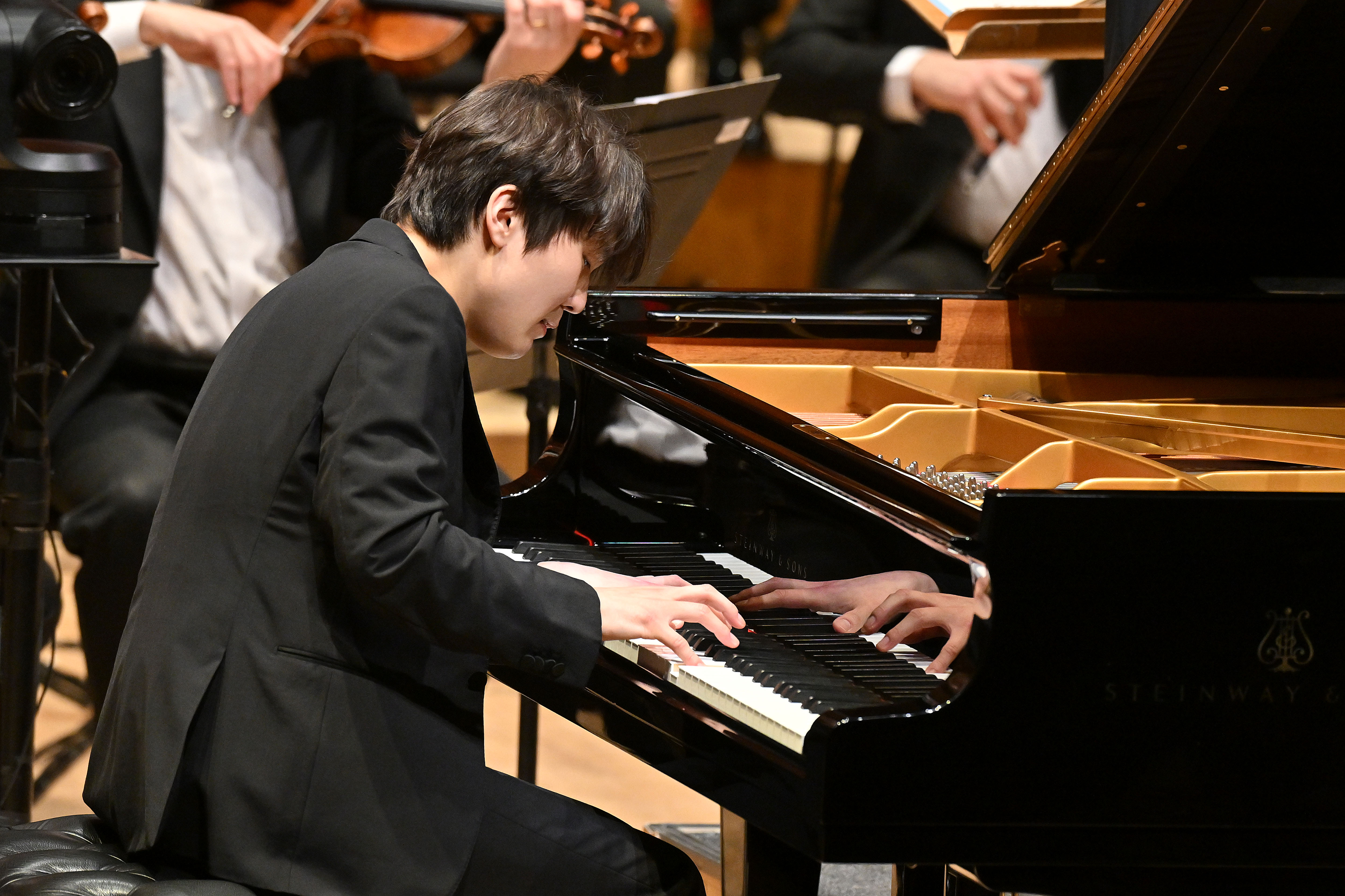
The atmosphere soon shifts when the orchestra and Cho begin Chopin’s Piano Concerto No. 2 in F minor, Op. 21. The orchestra opens the piece, led by the violins, with the violas, cellos and woodwinds following before the piano enters.
My eyes are on Cho as he draws a small black handkerchief from his pocket and wipes the keys of the piano before he begins. The piece, lasting approximately 30 minutes, is composed of three movements. The first movement is expansive, carrying a sense of urgency. When Cho enters, he presses upon the keys with gentle ferocity as the music unfolds into a cascading descent. The sound he draws from the instrument is clear and unforced, carrying through the hall with a quiet intensity rather than sheer force.
The second movement, often likened to a nocturne, is where I find myself leaning in, focussing entirely on his hand movements. The orchestration thins and the piano line unfolds with a vocal, suspended lyricism. His playing feels fragile and light. However, so intense is my gaze that I focus entirely on his hands as they move across the piano, and I am struck by their reflection in its polished surface; it is as though there are four hands — two pairs — dancing in quiet unison.
The third movement returns with a lighter, dance-like energy, restoring brightness after the intimacy of the second movement. As soon as it comes to an end, rapturous and sustained applause emanates from the hall. He leaves the stage and returns for an encore at least three times before sitting down to play Chopin’s Waltz in F minor. Noseda politely takes a seat at the back as Cho dazzles the audience with this intimate performance. Just him and the piano. No orchestra.
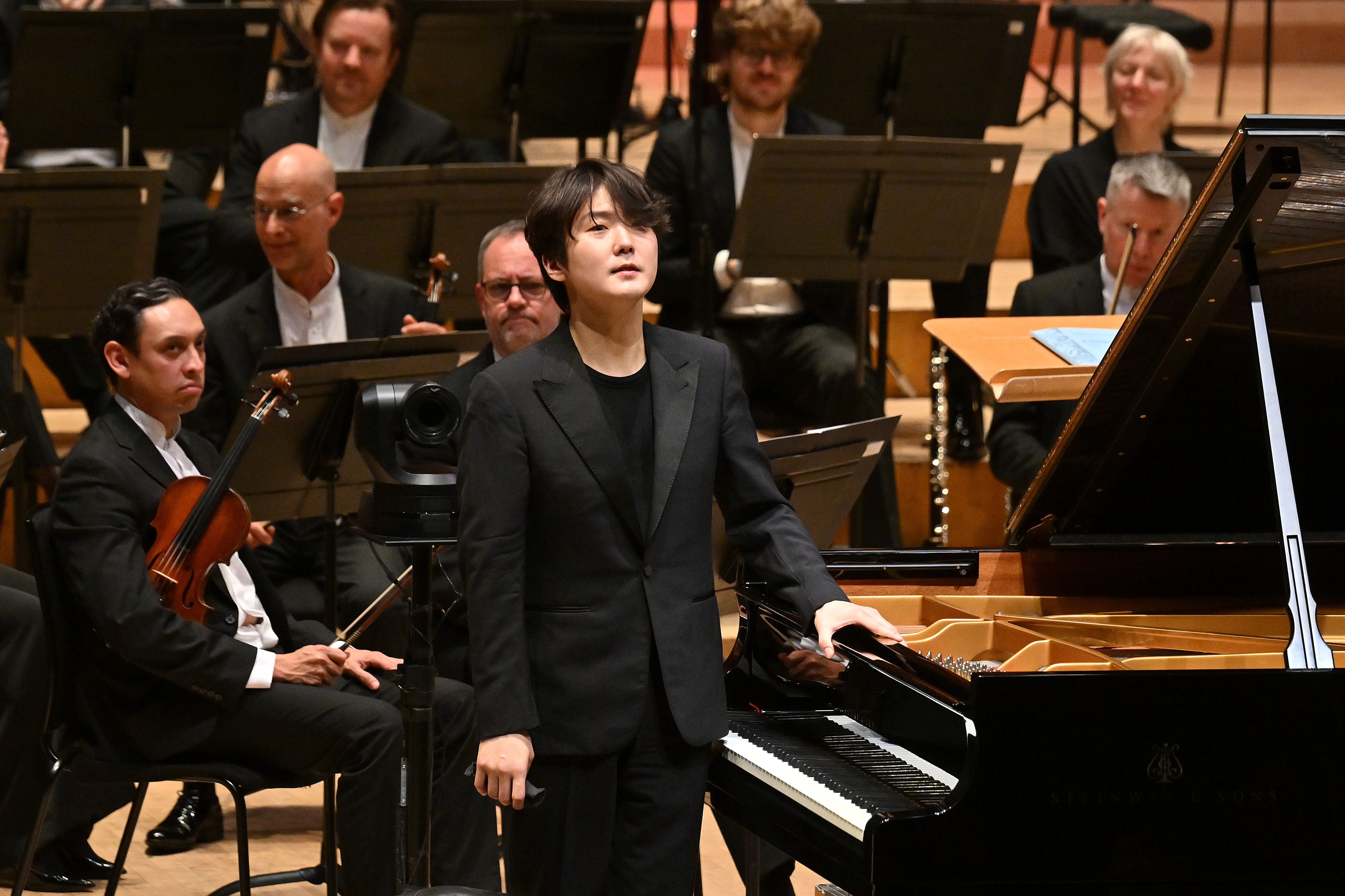
As he takes his final bow, there is a 20-minute interval before the audience returns to hear the LSO, with Noseda leading Alexander Borodin’s Symphony No. 2 in B minor. The audience may have thinned slightly following Cho’s performance, yet the muscular drive and breadth of Borodin’s symphonic writing restore a sense of weight and scale to the hall.
The evening moves from Stravinsky’s sense of movement and colour to Chopin’s inward lyricism, before broadening again into Borodin’s symphonic scale.
Since rising to international prominence in 2015 as the winner of the 17th International Chopin Piano Competition, Cho’s artistry has continued to deepen.
Having begun learning both the piano and the violin at the age of six, his musical foundation was laid early, and that breadth of training now reveals itself in the assurance of his playing. This is the third time I have seen him perform, and each occasion reveals a greater sense of control and refinement — a quiet authority that feels earned rather than imposed.As his Artist Portrait series with the London Symphony Orchestra draws to a close, it has been a privilege to witness its final concert at the Barbican Hall, and I look forward to hearing him again with the LSO at the Barbican in April.
With thanks to Mark Allan for the photographs and to the London Symphony Orchestra and the Barbican Hall for the press ticket for this performance.
 Diya on Korea