
Fractals of Longing: Exploring Identity and Connection in Han Kang’s Europa
Writing novels has always had a special pull for Han Kang, as she reflected in her recent essay Light & Thread, delivered during her Nobel Prize in Literature acceptance speech earlier this month.
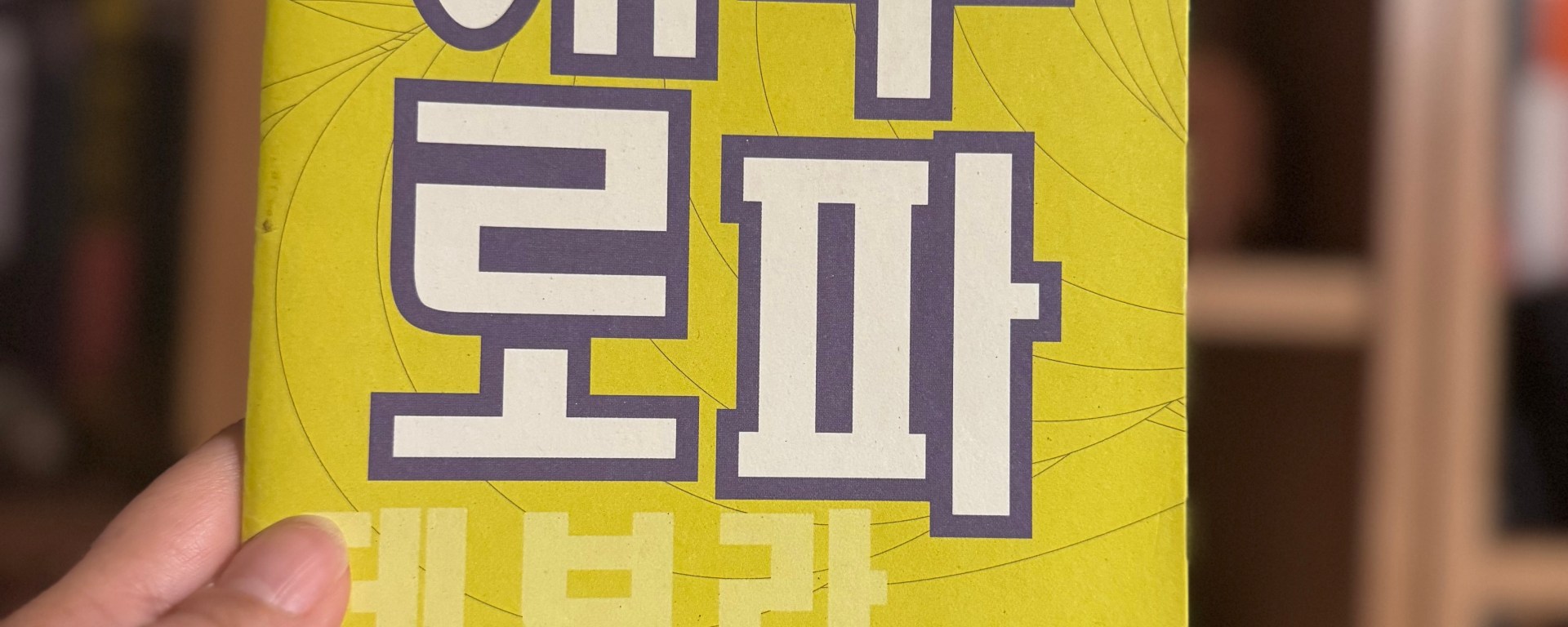
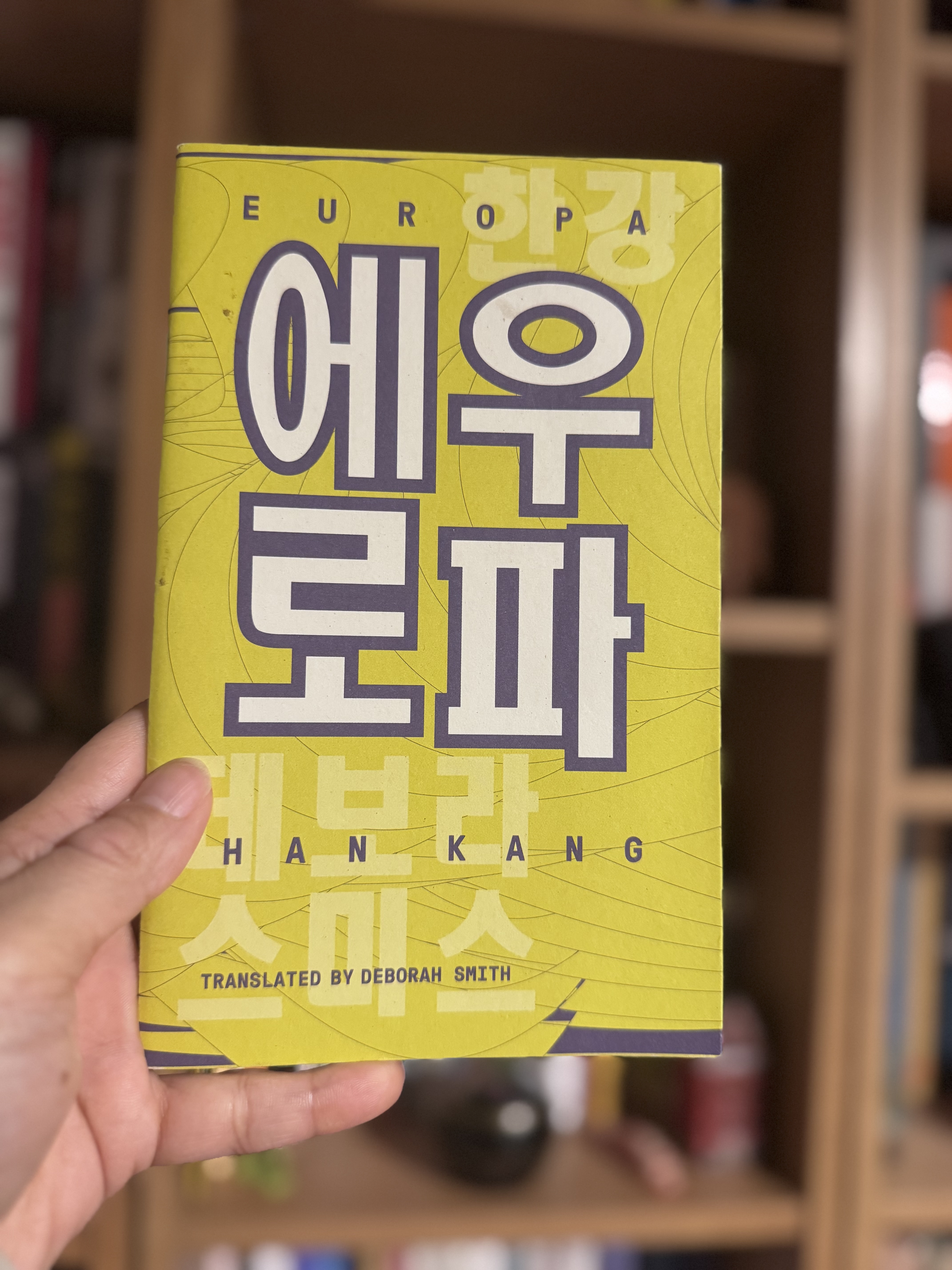
Han has consistently explored profound questions of human nature and fragility, which form the foundation of her works. Through her stories, she examines these questions, emerging with new perspectives—only for further questions to arise. This process leaves me curious: what question motivated her to write the short story Europa? Translated by Deborah Smith and published by Stranger Press as part of a chapbook series in 2019, Europa is a striking addition to Han’s exploration of identity, relationships, and the human condition.
The story, told through an unnamed narrator, focuses on his friendship with a woman named In-ah. It’s a six-year relationship shaped by longing, desire, and an ambiguous yearning—either for one another or for one to become like the other.
The story is deeply character-driven, with Han’s signature introspective and poetic style shaping the narrative. Both individuals feel out of place in the society they are trying to navigate. In-ah, recently divorced, grapples with her identity, haunted by vague references to violence early in her marriage—details that remain unexplored.The narrator, meanwhile, does not desire In-ah romantically but instead yearns to become like her. This desire shows in private acts of dressing as a woman. It culminates in kisses with In-ah. These moments blur the lines between identity, friendship, and longing. Their bond feels more like sisterhood. It is a complex relationship rooted in admiration. They share vulnerabilities and a desire to understand and mirror each other’s lives.
“I have been reading a book about fractals. It’s fascinating how the lines all resemble each other – the blood vessels in our bodies, streams and their tributaries, trees and their branches. Even a crowd of people exiting a subway station will branch out in a similar fashion. So, might our lives do something similar? Not in space, but in time? Do our lives follow a kind of mathematical line … the kind of line that can be mapped geometrically?”
This quote, taken from the book, echoes In-ah’s thoughts as she contemplates whether life mirrors the complexities of fractals in nature. Fractals—endlessly repeating patterns like the branching of trees—serve as a metaphor for the intricate, recursive nature of human relationships and identity. Personally, I’ve often felt that nature’s deeply rooted patterns resonate in the rhythms of our lives.
Europa also resonates with recurring themes in Han Kang’s broader body of work. Much like in The Vegetarian and Human Acts, Han explores the fragility of human connection. She examines the weight of societal expectations. She also investigates the tension between self and other. The unnamed narrator’s desire to both know and transform into In-ah reflects a deeply human struggle to understand oneself through another’s lens.
It is within this fragile interplay between the two characters that we, as readers, find ourselves. They seem to understand each other’s broader desires and societal nightmares but rarely grasp the small, intimate details that make up each other’s daily lives. This quiet tension—of knowing someone deeply yet imperfectly—is perhaps the most poignant aspect of the story.
In Europa, Han Kang invites us to ponder how identity is shaped by relationships and how those relationships, like fractals, mirror the complexities and repetitions of nature. It is a haunting and reflective piece that lingers long after the final page, asking us to consider the delicate balance of longing, understanding, and the spaces in between.
‘Europa’ by Han Kang and translated by Deborah Smith, available to buy from online platforms. Published by Stranger Press
 Diya on Korea